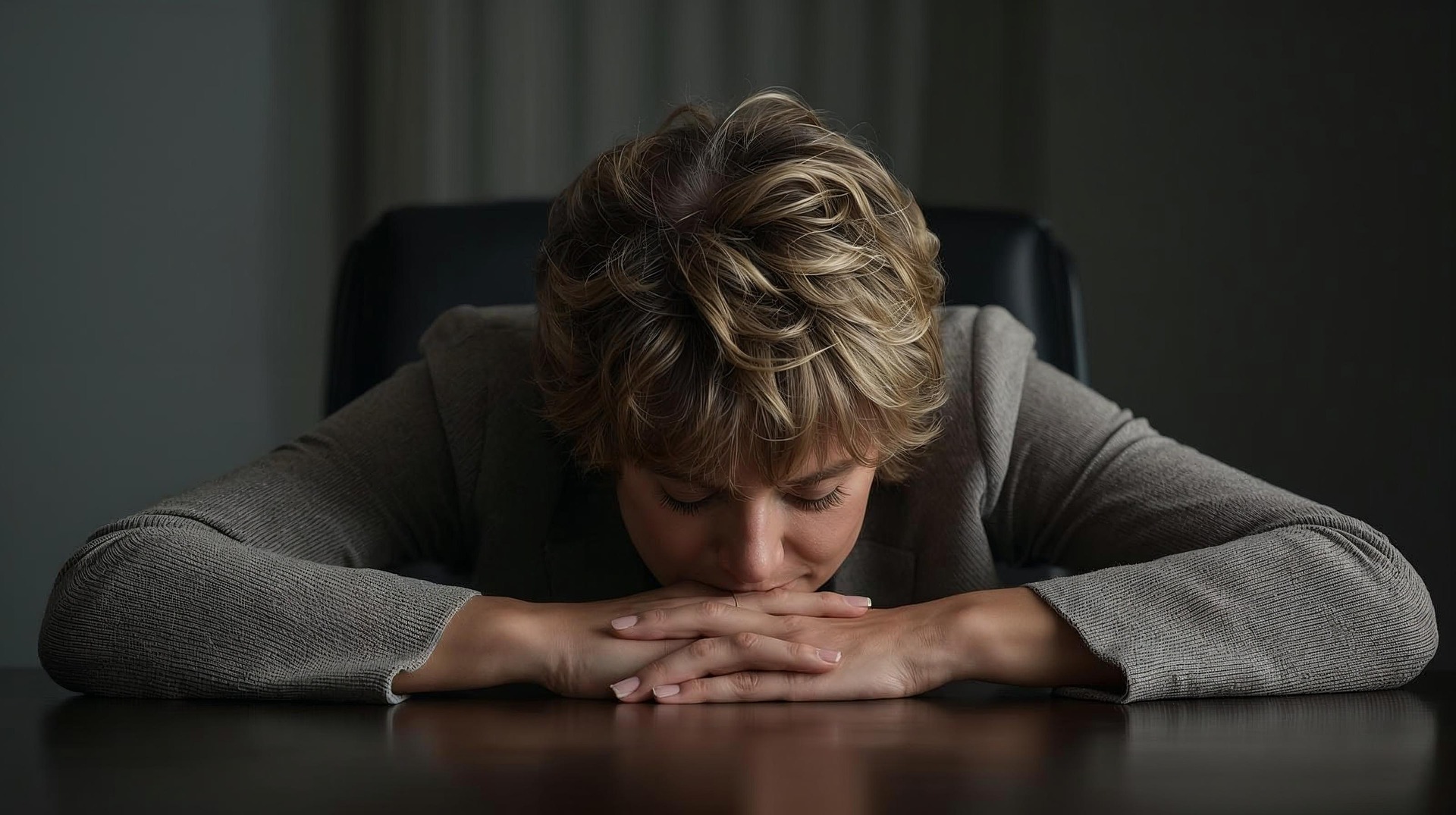
Lifestyle habits that reduce stress
Stress touches everyone. Busy schedules. Constant noise. Endless responsibilities. Several individuals have the notion that stress is inevitable. That belief makes it heavier. The truth is different. These are actions that are small and ordinary, but can be stressed-reducing in mighty proportions. In this article, realistic habits are found, which are supported by experience, professional knowledge, and reliable research. Of course, it is good and when used regularly, lifestyle habits that reduce stress help you feel calmer without altering your entire life.

Stress and life decoding in everyday life.
Stress constitutes the body reaction to pressure. Short stress can help focus. Long stress harms health. The professionals in the field of mental health attribute the persistent stress to inadequate sleep and a low mood. Real life experience demonstrates that the stress most likely accumulates silently. Learning Good (Stops) that accumulation at the first stages.
Reasons Why Lifestyle Habits are More Important Than Quick Fixes.
Quick fixes fade fast. Habits stay. Medical experts concur that daily habits would determine stress levels better than actions that are occasional. Stress is disempowered when the habits are in place in favor of calmness. This is the reason why the lasting change rather than short relief is created.
Start With a Calm Morning
The mornings shape up the entire day. Rushing increases tension. Wake up a few minutes earlier. Sit quietly. Breathe slowly. Avoid screens at first. Studies indicate that mornings when one is calm reduce cortisol. Mornings are more stable with slowness, as some experience has taught me. One of the strong ones is a peaceful introduction.
Have a Clean day to day format.
Unplanned days feel chaotic. Simple routines bring order. Eat, sleep, and move around during the same time. The structure according to psychology gurus minimizes anxiety. Routines reduce mental activity, based on the real world. lifestyle habits that reduce stress of course goes along with daily structure.
Practice Deep Breathing
Anxiety influences the breathing. Slow breaths calm the body. Inhale through the nose. Exhale fully. Do this for one minute. The health experts advise breathing as a method of stress relief. One of the easiest breathing is simple breathing.
Move Your Body Gently
Movement releases tension. Walking helps clear the mind. Stretching relaxes muscles. No vigorous exercises are required of you. Fitness gurus concur that low stress hormones are lowered by light exercise. Based on experience, the very movement improves the mood daily. Movement is a core part of lifestyle habits that reduce stress.
Have Balanced Eats on a regular basis.
Doing away with meals increases stress. Drops in sugar level influence mood. Take well-balanced food when it is possible. There is an association of emotional balance with stable energy by nutrition experts. Based on everyday life, uninterrupted meals keep one irate. Eating well supports lifestyle habits that reduce stress.
Reduce Screen Overload
Incessant messages demand psychological stress. Disregarding unnecessary notifications. Set screen-free moments. On the one hand, there are recommendations of mental health limits given by digital wellness experts. As we have found, the less there are interruptions the calmer one is. Binge drinking improves upon the management of screen time.
Provide a Relaxing domestic atmosphere.
Stress on the environment is what influences the mood. Clutter adds mental noise. Clean small areas regularly. You do not need perfection. Tidiness studies indicate that clean environments have less stress. On actual experience, serene areas are secure. A peaceful home supports lifestyle habits that reduce stress.
Take Short Mental Breaks
The brain needs pauses. Step away from tasks. Stretch. Look outside. Medical practitioners recommend focus breaks. Burnout is prevented by breaks, which is an experience. To take a planned break is indispensable.
Practice Mindful Awareness
Mindfulness refers to the awareness of the present moment. Take interest in what you are doing now. Avoid multitasking. Such research on psychology associates mindfulness with reduced anxiety. Interfering with the real life, presence decreases the cognitive clutter. Awareness is a quiet part of lifestyle habits that reduce stress.
Build Healthy Boundaries
Excessive commitment leads to stress. Get to know how to say no. Chevron time. Specialists in communication in mental health teach boundary setting. Boundaries are relief producing, therefore. There is a position supported by clear limits that favor lifestyle habits that reduce stress long term.
Slow Down Evenings
Evenings are supposed to relax the body. Dim lights. Avoid heavy content. Choose relaxing activities. Sleep gurus make certain that even relaxing nights enhance sleep. Slow nights are rejuvenating, based on everyday living. It is momentous Evening do not take hours off.
Improve Sleep Quality
Sleep restores the body. The lack of sleep makes one hyperactive sensitive to stress. Go to bed at a consistent time. Keep the bedroom as dark and noisy. Good sleep has been associated with reduced stress. Through experience, resilience is enhanced by having an improved sleep. Sleep habits support lifestyle habits that reduce stress deeply.
Stay Connected With Others
Good relationship reduces stress. Talk with people you trust. Share simple moments. Social health workers associate affiliation with emotional security. Based on practical experience, support relieves stress. Connection strengthens lifestyle habits that reduce stress.

Come to Terms with What You Can and cannot Change.
Control creates tension. Acceptance brings peace. Focus on what you can change. Psychiatrists prescribe acceptance as an anxiety reliever. Life experience dictates that stress is reduced through letting go. Acceptance is conducive to lifestyle habits that reduce stress.
Be Kind to Yourself
Seldom things self-critical increase stress. Practice self-kindness. Speak gently to yourself. The mental health professional (Psychology) studies reveal that compassion positively impacts on mental health. I have learned that empathy makes one strong. lifestyle habits that reduce stress absent of self-care thought uses missile).
Be Religious, but not pushy.
Stress reduction takes time. Do not rush results. Focus on daily effort. Consistency develops habits, which behavioral experts attest to. Based on reality, small steps prevail. Consistency completes lifestyle habits that reduce stress.
Conclusion
Not everything is past but stress does not necessarily dominate your life. Ordinary everyday decision-making will determine the reaction of your body and mind. Lifestyle habits that reduce stress bring a peaceful solution by not being perfect. Start with one habit. Build slowly. Peace is incorporated in your day-to-day rhythm with time.
FAQs
Access time How do long are the results of lifestyle habits that reduce stress?
Many individuals observe the changes in a period of two weeks. Calmness in the long run is acquired through practice.
Can lifestyle habits that reduce stress fit busy schedules?
Yes. These habits would respond well when incorporated into regular activities without any additional burden.




Leave a Reply